In the highly competitive world of e-commerce, Amazon sellers are always on the lookout for tools that provide a strategic advantage, streamline daily tasks, and offer intelligent insights. These applications help simplify processes like product research, pricing optimization, listing improvements, inventory management, customer engagement, and advertising. This guide highlights the Top 10 tools for Amazon sellers that can transform your workflow, increase profits, and help you stay ahead of the competition. This is especially helpful for beginners interested in selling on Amazon.
Whether you are a new seller or managing multiple brands, these tools offer features that reduce manual effort and improve decision-making.
1. Product Research Tools

Discover profitable products and niches with ease
Product research is one of the most challenging aspects of selling on Amazon. These tools analyze large datasets to identify high-demand, low-competition products and estimate their potential profitability, saving hours of manual research.
Key Benefits:
- Predictive demand insights
- Opportunity scoring
- Competitor analysis
- Real-time trend detection
By using these tools, sellers can make informed product decisions based on data rather than guesswork, saving both time and effort.
2. Listing Optimization Platforms

Turn product listings into high-converting assets
High-ranking products on Amazon require more than just quality—they need optimized listings. These platforms analyze keywords, search relevance, and competitor strategies to create compelling titles, bullet points, descriptions, and backend search terms.
Core Features:
- SEO-focused content creation
- Keyword suggestions based on buyer intent
- Readability and content improvements
- Automated content adjustments
These platforms ensure your listings appear in relevant searches and convert more visitors into buyers.
3. Pricing Tools

Set competitive prices smartly
Effective pricing can make or break your success on Amazon. These tools continuously monitor market activity, competitor prices, sales trends, and inventory levels to suggest optimal prices that balance profitability and competitiveness.
Benefits:
- Automated price adjustments
- Insights on price elasticity
- Customizable pricing strategies
- Inventory-based triggers
This allows sellers to maximize revenue while staying ahead of competitors without constant manual oversight.
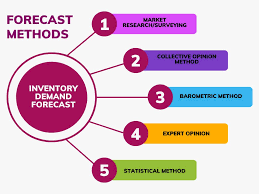
4. Inventory Forecasting and Management
Avoid stockouts or overstocking
Running out of stock results in lost sales, while overstocking ties up capital. Inventory management tools forecast demand using algorithms that account for sales patterns, seasonal trends, and supply chain timing.
Benefits:
- Accurate reorder alerts
- Efficient warehouse planning
- Reduced risk of stock disruptions
- Cost savings on storage and logistics
By predicting future demand, these tools help sellers maintain product availability while saving time and money.
5. Advertising and Campaign Optimization Tools

Managing Amazon advertising can be challenging. These platforms help sellers allocate budgets effectively by analyzing keyword performance, bidding strategies, and return on ad spend.
Scale advertising efficiently
Core Advantages:
- Automated keyword bidding
- Identification of ineffective keywords
- Performance forecasting
- Budget allocation suggestions
These solutions free sellers from manual campaign management and help extract maximum profit from ad spending.
6. Review and Reputation Management Tools

Enhance brand image and trust
Customer reviews greatly influence purchasing decisions. Reputation management tools monitor reviews, analyze customer sentiment, and automate engagement strategies to protect and strengthen your brand.
Key Capabilities:
- Trend analysis for feedback
- Automated review request messages
- Alerts for negative reviews
- Insights from customer feedback
Sellers can respond quickly to customer concerns and build a strong, positive presence on Amazon.
7. Competitive Intelligence Tools

Stay aware of the competition
Understanding competitors’ strategies and pricing is critical. These platforms gather data on listings, features, pricing, and promotions to reveal competitor strengths and weaknesses.
Key Features:
- Market landscape visualization
- Competitor price tracking
- Product feature comparison
- Strategy insights
By understanding the market, sellers can adapt quickly and make informed decisions.
8. Customer Messaging Automation

Boost satisfaction with minimal effort
Communicating with customers is essential for maintaining high seller ratings, but it can be time-consuming. Messaging platforms automate workflows like order confirmations, delivery updates, responses, and review requests.
Benefits:
- Personalized messages at scale
- Faster customer support
- Reduced manual workload
- Improved feedback and reviews
Better communication leads to happier customers and stronger performance metrics.
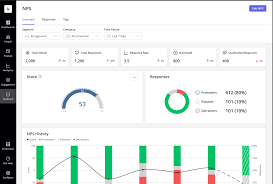
9. Analytics Dashboards
Turn data into actionable insights
Sellers generate vast amounts of data. Analytics dashboards consolidate sales, traffic, advertising, and inventory metrics into clear reports, enabling smarter decision-making.
Key Features:
- Visual sales trend insights
- Custom performance metrics
- Alerts for anomalies or opportunities
- Forecasting based on historical patterns
These dashboards provide clarity and support strategic planning for growth.
10. Compliance and Risk Monitoring Tools

Protect your account and stay compliant
Amazon enforces strict rules. Compliance tools monitor policies, flag potential violations, and automate documentation to reduce risks.
Core Advantages:
- Brand protection alerts
- Violation detection
- Automated action plans
- Risk scoring for products
These solutions help sellers maintain compliance and protect their accounts from preventable issues.
Choosing the Right Tools
When selecting platforms, consider:
- Ease of Use: Intuitive interface and clear dashboards
- Scalability: Tools that grow with your business
- Accuracy: Reliable insights to support decisions
- Integration: Compatibility with Amazon and other systems
- Support: Access to training and customer support
The right combination of tools can transform your selling strategy and drive growth.
Conclusion — Tools Are Essential for Competitive Success
These platforms are no longer optional—they are crucial for sellers who want to stay competitive. From discovering profitable products to automating daily operations, the right tools save time, reduce uncertainty, and increase revenue. Implementing these solutions helps your business grow, improves customer satisfaction, and strengthens long-term sustainability.
“Don’t forget to share your feedback in the comments!”
“Get started here“https://infovistaworld.com/top-10-ai-apps-for-graphic-design/