Meta Description
These AI apps are very helpful for SEO beginners. They make learning SEO easier by providing step-by-step use cases, pricing ideas, content and keyword workflows, and low-competition keyword suggestions that help blogs rank faster while saving time.
Introduction
SEO is no longer a difficult task. Modern AI tools now automate keyword research, content creation, on-page optimization, and technical audits. For beginners, choosing the right AI apps can save valuable time, reduce confusion, and help focus on measurable results.
In this guide, we will discuss the top 10 AI apps for SEO beginners, explaining what each tool does, how to use it step by step, and which low-competition keywords can help improve search rankings.
How to Choose an AI SEO App (Quick Checklist)

- Beginner-friendly interface that is easy to understand
- Actionable outputs such as reports, topic clusters, headlines, and meta tags
- Integration options like CSV export and Google Search Console or Analytics support
- Affordable pricing, including free versions or low-cost starter plans
- Local or niche keyword suggestions to find low-competition long-tail keywords
Top 10 AI Apps for SEO Beginners
(What they do and how beginners can use them)
1. AI Keyword Researcher (Idea Generator & Difficulty Score)

What it does:
Generates long-tail keyword ideas along with estimated competition and monthly search volume. This tool is especially helpful for beginners because it makes keyword research simple and efficient.
Beginner workflow:
Enter a seed keyword → filter low-competition keywords → export the keyword list
Best used for:
Choosing blog topics and creating a content calendar
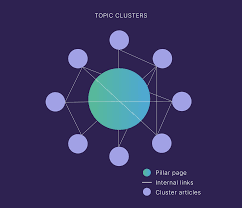
2. AI Topic Cluster Builder
What it does:
Organizes related keywords into clusters and suggests a pillar-and-cluster content structure.
Beginner workflow:
Upload keywords → accept suggested clusters → create a pillar post outline
Best used for:
Building strong topical authority and an SEO-friendly website structure
3. Content Brief Generator (AI Writing Assistant)
What it does:
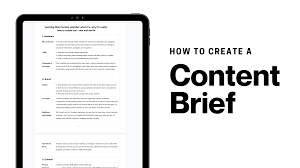
Provides SEO-optimized outlines, H2 and H3 heading ideas, and recommended word counts based on top-ranking pages.
Beginner workflow:
Paste the target keyword → generate a content brief → use it as a writing checklist
Best used for:
Writing fast, well-structured, and SEO-focused articles
4. On-Page SEO Optimizer

What it does:
Analyzes titles, meta descriptions, headings, image alt text, and keyword placement, then provides a score with improvement suggestions.
Beginner workflow:
Scan the draft URL or HTML → apply suggested fixes → rescan the page
Best used for:
Improving on-page SEO before publishing content
5. AI Content Rewriter & Plagiarism Checker

What it does:
Rewrites content to improve quality and checks originality to avoid duplication.
Beginner workflow:
Paste the draft → rewrite weak sections → run a plagiarism check
Best used for:
Keeping content unique, natural, and high quality
6. SERP Analyzer (Competitor Snapshot)

What it does:
Analyzes top-ranking pages by identifying search intent, common headings, and backlink profiles. This is very useful for beginners to understand competitors.
Beginner workflow:
Enter a keyword → review competitor data → improve the content brief
Best used for:
Matching search intent and creating better content than competitors
7. AI Meta-Tag Creator

What it does:
Generates SEO-friendly title tags and meta descriptions that fit search engine display limits.
Beginner workflow:
Provide a short page summary → generate meta tags → add them to Blogger meta fields
Best used for:
Increasing click-through rate (CTR) from search results
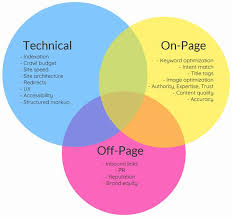
8. Technical Site Auditor (Crawl & Fix Report)
What it does:
Identifies technical issues such as broken links, slow pages, missing schema, and mobile usability problems.
Beginner workflow:
Run a monthly audit → fix the most important issues first
Best used for:
Improving website crawlability and user experience
9. Backlink Opportunity Finder
What it does:
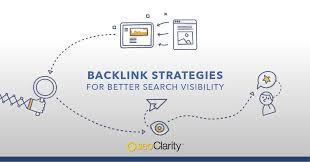
Suggests relevant websites that may link back to your content, helping build backlinks.
Beginner workflow:
Share the content URL → receive an outreach list → track responses
Best used for:
Building website authority and trust
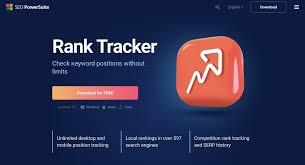
10. Rank Tracker with Alerts
What it does:
Tracks keyword rankings and sends alerts when major position changes occur.
Beginner workflow:
Add 10–20 target keywords → monitor weekly → improve content accordingly
Best used for:
Measuring SEO performance and updating strategies
Simple SEO Process for Beginners
(Using these tools together)
- Research keywords using an AI Keyword Researcher and select five low-competition long-tail keywords
- Build topic clusters using a Topic Cluster Builder
- Write articles using a Content Brief Generator and Rewriter
- Optimize pages with an On-Page SEO Optimizer and Meta-Tag Creator
- Run technical audits and fix major issues
- Focus on rank tracking and backlink building
Quick Pricing Tip
Most AI SEO tools offer free trials or free plans. Beginners should start by testing free versions first. Once you gain experience, upgrade only for features you use regularly, such as rank tracking, bulk audits, or backlink analysis.
We would love to hear your opinion.
Please share your experience with these tools in the comment box and let us know which one worked best for you.
Related guide: How to do keyword research easilyhttps://infovistaworld.com/top-10-ai-apps-for-keyword-research/